
Tales of Unity
Play Tales of Unity
Tales of Unity Screenshots

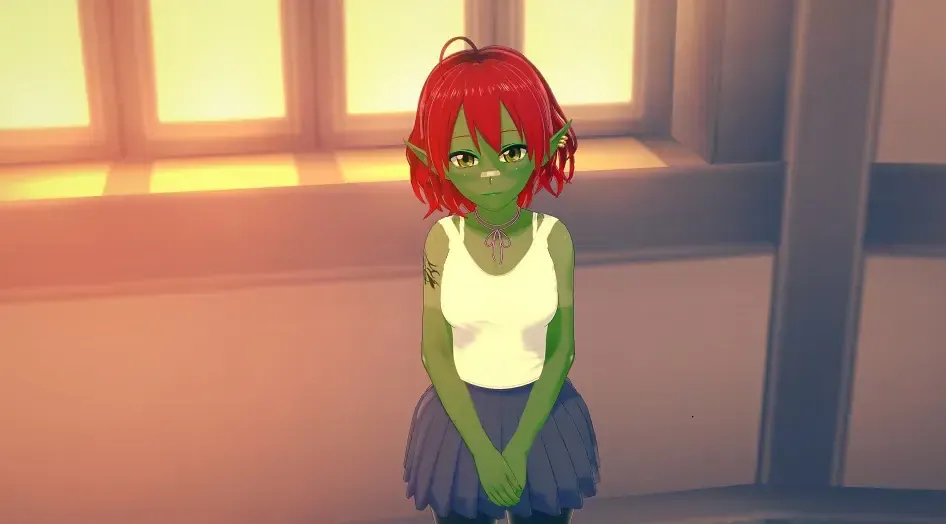
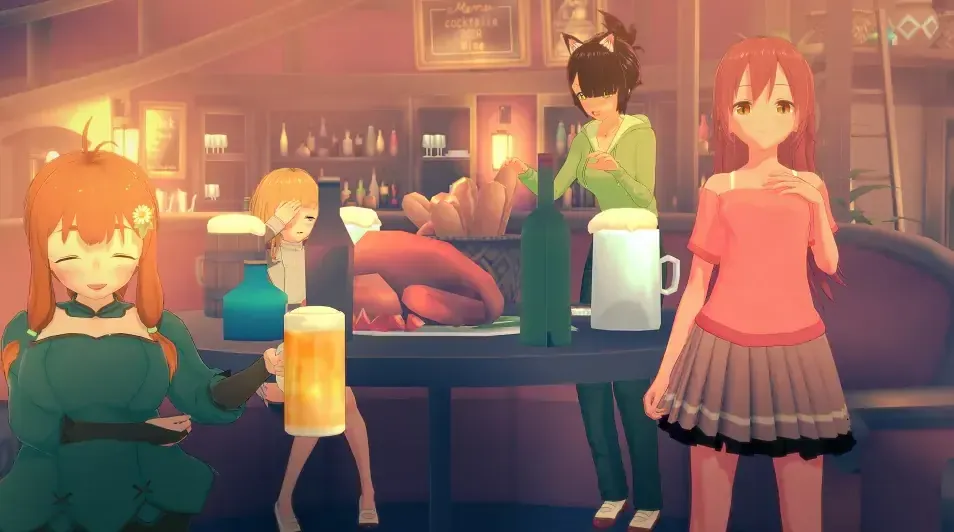
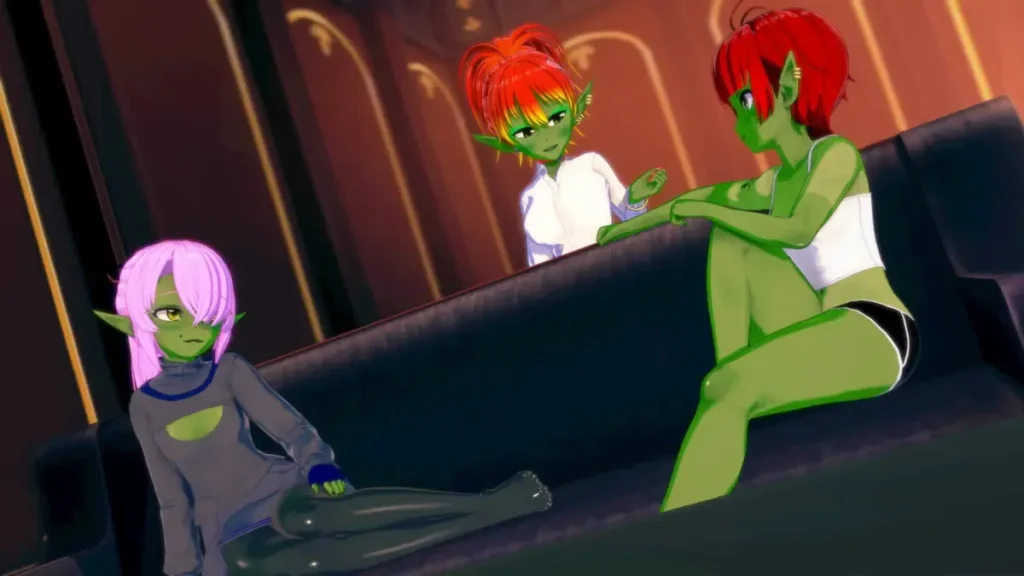
Tales of Unity review
A practical, story-driven look at Tales of Unity, its gameplay, and what to expect as a new player
Tales of Unity is an adult-focused story game that blends character relationships, choice-driven dialogue, and long-form narrative into a single experience. If you have ever wondered how an 18+ title can still deliver emotional depth, world-building, and meaningful decisions, this game is a strong example. In this guide, we will walk through what Tales of Unity is about, how its systems work, and what kind of experience you can realistically expect. Along the way, you will find personal anecdotes, practical tips, and a grounded look at how to get the most enjoyment out of your first playthrough.
What Is Tales of Unity and Why Do Players Talk About It?
You’ve probably seen the name pop up in forums or on social media: Tales of Unity. It sounds intriguing, maybe a bit mysterious, and the buzz around it is undeniable. But what exactly is it? Is it just another adult story game, or is there something more that has players so invested? Let’s pull back the curtain.
This isn’t your typical click-and-forget experience. At its heart, the Tales of Unity game is a deep, character-focused journey. Think of it less as a traditional “game” with scores and levels, and more as an interactive novel where your choices genuinely sculpt the narrative and relationships. Players don’t just watch a story unfold—they guide it, conversation by conversation, decision by decision. The talk you hear isn’t just about scenes; it’s about moments, character revelations, and the emotional payoff of a bond carefully built. 🕯️✨
Tales of Unity Overview: Setting, Story, and Structure
So, where does this all take place? Without diving into spoiler territory, Tales of Unity presents a modern, interconnected world centered around a core cast of characters. You step into a role that allows you to meet and interact with these individuals as their lives and stories gradually intertwine with your own. The setting feels familiar yet charged with possibility, a stage where personal histories and present-day tensions collide.
The true backbone of the Tales of Unity story is its people. Each character is crafted with their own motivations, flaws, past traumas, and hopes. You’re not encountering disposable figures; you’re getting to know recurring personalities who evolve over time. The game’s structure revolves around these slow-burn relationship arcs. You’ll spend your time engaging in meaningful dialogue, exploring optional backstory quests, and making choices that incrementally build trust, affection, or tension.
The appeal here is profoundly character driven gameplay. An intimate moment isn’t an isolated event; it’s a milestone. It’s the culmination of shared secrets, supportive choices, and earned vulnerability. The narrative treats these moments with emotional weight, framing them as an integral part of character growth and connection. This focus on consequence and context is what transforms it from a simple experience into a memorable story.
Tip: Don’t rush. The magic of Tales of Unity is in the quiet conversations and the subtle hints characters drop about their lives. Skipping dialogue is like fast-forwarding to the last chapter of a book—you’ll miss everything that makes the ending meaningful.
So, why are players so drawn to this particular experience? It boils down to a few key elements:
- Story Focus: The narrative is the main event, not an afterthought. It’s a choice based narrative where your decisions have visible, sometimes long-term, effects on how stories play out.
- Character Arcs: You witness characters change, overcome issues, and open up, making their journeys feel rewarding.
- Interactive Choices: Dialogue and action options matter, directly influencing relationship paths and unlocking (or locking) future story branches.
- Mature Themes Handled Through Narrative: Adult content is woven into the character development, serving the story rather than standing alone.
How Tales of Unity Balances Narrative, Intimacy, and Player Choice
This is where the Tales of Unity design truly shines. It masterfully weaves together its narrative threads and mature elements into a cohesive whole, with player choice acting as the loom. Nothing of significance happens at random. Every close moment, every step forward in a relationship, is unlocked through your actions.
The pacing is deliberate. You might spend a full play session simply talking, exploring a character’s personal history through a side quest, or navigating a tricky social situation through dialogue options. These choices are the game’s primary mechanic. Will you be playful or sincere? Push for answers or give them space? Offer help or challenge them? These decisions feed into hidden relationship metrics—building attraction, establishing trust, or sometimes creating conflict.
Scenes of intimacy are treated as narrative rewards and revelations. They are gated behind specific levels of rapport, story progression, and often, the completion of personal quests for that character. This system ensures that when a scene occurs, it feels like a natural, earned progression of the relationship you’ve been cultivating. It’s about emotional resonance, not just physical action.
Let me share a personal misstep from my first run. I was eager to see where a certain storyline would go with a character named Kael. I clicked through dialogue options quickly, choosing what I thought were the most forward or “romantic” prompts. I completely missed his subtle hints about a past professional betrayal that made him wary of fast trust. As a result, I hit a narrative wall. A key scene that explored his vulnerability never triggered, and our storyline reached a platonic, somewhat distant ending. It was a powerful lesson! 😅
It showed me that Tales of Unity doesn’t just track “affection points.” It tracks understanding. Rushing cost me the chance to know him, and the game reflected that perfectly. On my next playthrough, I listened. I chose supportive but patient options, and the resulting payoff wasn’t just a scene—it was a cathartic moment of character resolution that felt infinitely more satisfying.
To break down this balance, here’s a look at what drives the content forward:
| What You Do | What It Builds | What It Unlocks |
|---|---|---|
| Engaging in character dialogue | Trust, Understanding, Affection | Deeper conversations, personal quests, backstory revelations |
| Making key story decisions | Narrative momentum, character alignment | Branching story paths, unique scenes |
| Completing character-specific quests | Rapport, emotional investment | Core relationship milestones, intimate scenes |
Who Is Tales of Unity Really For?
This is the million-dollar question: who is Tales of Unity for? Knowing the answer can save you from a mismatch in expectations and help you discover your next favorite story. 🎯
First and foremost, Tales of Unity is for players who enjoy mature themes but crave substance behind them. It’s for the reader who picks up a novel for the steamy scenes but stays for the complex character dynamics and well-plotted story. If you want to feel like your choices matter and that you’re building relationships with virtual people who have depth, this game is built for you. It’s perfect for those who love to replay narratives to see how different decisions alter outcomes, exploring every “what if” a choice based narrative offers.
Conversely, it’s important to offer some guidance. If you are primarily looking for quick, disconnected scenes with minimal setup or story, the deliberate pacing and extensive dialogue of Tales of Unity might feel too slow or narrative-heavy. This game asks for your attention and emotional investment.
If, however, you enjoy story-first experiences—if you play games for the arcs, the reveals, and the feeling of influencing a world—then Tales of Unity will likely be an excellent fit. It sits comfortably in the niche of adult story game that doesn’t sacrifice plot for its mature content. It proves that the two can not only coexist but enhance each other, creating a more immersive and impactful experience.
To put it simply: Come for the promise of an engaging Tales of Unity story, stay for the characters you’ll genuinely care about and the relationships you feel you helped shape.
Now that we’ve established what the game is and who it’s meant for, you’re probably wondering: “Okay, but how do I actually play it?” In our next chapter, we’ll dive into the practical flow of gameplay, from navigating the interface to making the most of your first playthrough. We’ll also cover the game’s thoughtful approach to comfort and boundaries, ensuring you can tailor the experience to what you enjoy most.
Quick-Reference FAQ 🤔
Is Tales of Unity only about adult content?
Not at all! While it contains mature themes, they are framed within a larger, choice-driven narrative. Many players are deeply invested in the character development, story arcs, and the consequences of their decisions. The mature content is one aspect of a broader relationship-building simulation.
How long does it take to get into the main story?
The Tales of Unity game establishes its characters and central tensions right away, but like any good novel, it takes time to build. Think of the first few hours as laying the groundwork—you’re meeting the cast, learning the dynamics, and making initial choices that will define your path. Significant story and relationship milestones typically unfold after you’ve invested time in understanding the characters.
Can I play this game if I prefer to avoid explicit content?
The game often provides options to fade out or skip explicit scenes, allowing you to experience the emotional and narrative conclusion of a story arc without the graphical detail. The focus remains on the relationship and character consequences.
Tales of Unity stands out because it treats mature themes as part of a larger, ongoing story rather than the entire point of the experience. When you approach it as a narrative journey, with time to learn about each character and consider the impact of your choices, the game becomes far more rewarding.
Before starting your own run, think about what you enjoy most in story-driven titles: is it long conversations, slow character development, or the thrill of seeing your choices pay off later? Use that self-knowledge to decide how you play Tales of Unity, whether you want to see everything in one careful run or experiment with different paths across multiple saves. If you are ready for an adult game that asks you to invest emotionally as well as visually, Tales of Unity is worth exploring and forming your own opinion about.