
Simple Days
Play Simple Days
Simple Days Screenshots














Simple Days review
Explore the choice-driven adult narrative experience with branching storylines and multiple romance options
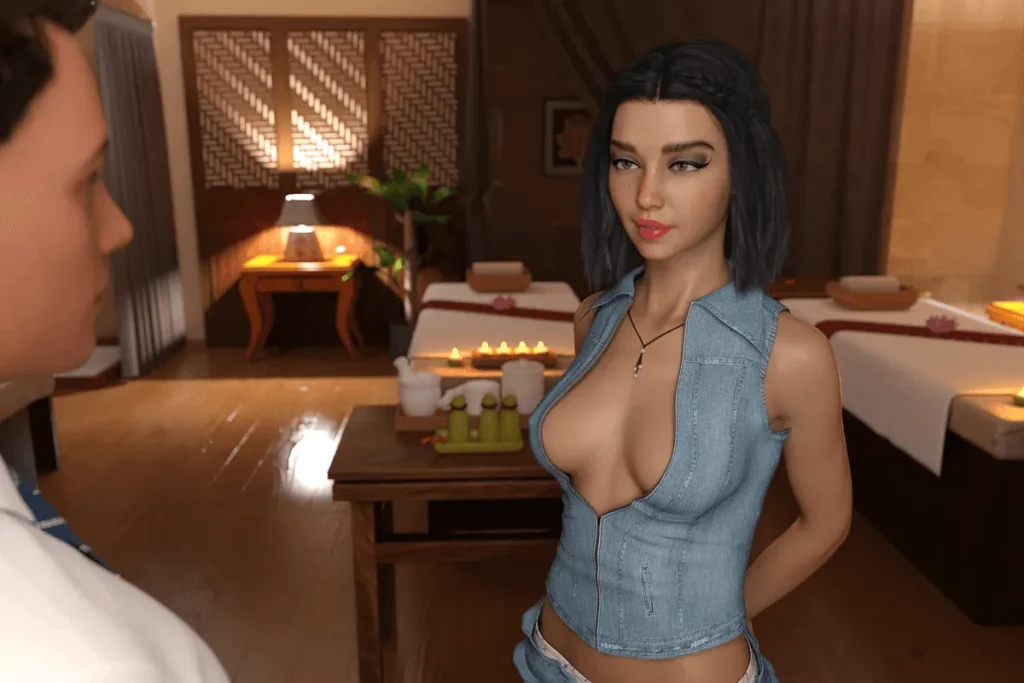
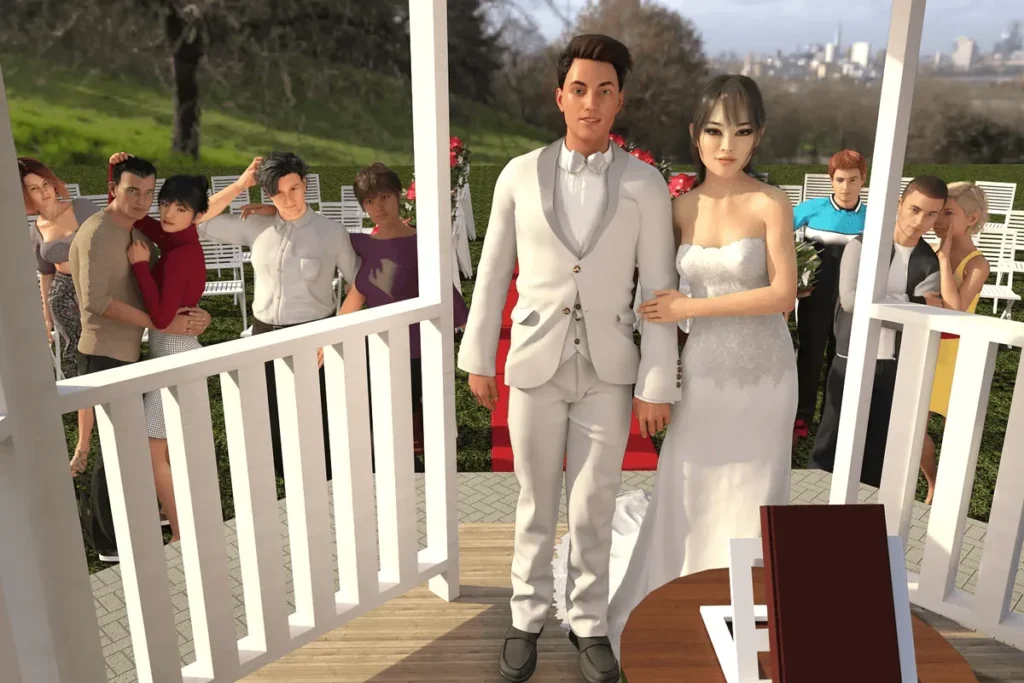
Simple Days is a choice-driven adult visual novel developed by Mega Lono that immerses players in a dynamic life simulation experience. The game follows a protagonist turning 19, navigating critical life decisions including career paths, romantic relationships, and moral choices that shape his future. With deeply branching storylines, multiple romance options, and a rich narrative filled with humor and drama, Simple Days offers players the freedom to create unique playthroughs. Whether you’re interested in pursuing education, chasing financial success, building relationships, or exploring the darker aspects of life, your decisions directly influence the story’s outcome. The game combines high-quality artwork with regular content updates, creating an engaging experience for players seeking meaningful choice-based narratives.
Gameplay Mechanics and Core Features
Ever clicked through a dialogue scene in a game, picking options at random because you know they all lead to the same cutscene? 🙄 I have, and honestly, it always leaves me feeling a bit cheated. What’s the point of a “choice” if it doesn’t actually choose anything? That’s the exact fatigue Simple Days obliterates from the moment you hit ‘New Game’. This isn’t a story you watch; it’s a life you build, one meaningful decision at a time. Your agency isn’t an illusion here—it’s the engine.
The magic of this game lies in its intricate web of systems, all designed to make your playthrough authentically yours. We’re talking about a deep, choice-driven visual novel gameplay experience fused with a surprisingly robust life sim. Forget passive reading; you’re actively managing time, relationships, and a career, all while your narrative branches into a truly unique direction. Ready to see how it all works? Let’s dive into the mechanics that make Simple Days so compellingly replayable.
How Choice-Driven Gameplay Works
At its heart, Simple Days operates on a simple, powerful promise: your decisions carry weight. This isn’t about picking a “good,” “bad,” or “snarky” reply that slightly alters the next line of dialogue. The game’s branching storylines mechanics are built into its very DNA. Every choice, from the seemingly mundane to the obviously pivotal, feeds into a hidden ledger that the game constantly consults.
Think of it like this: I started my first playthrough aiming to be a charming, helpful friend. I agreed to help a character move apartments, sacrificed a weekend of in-game skill training to do it, and thought little of it. Weeks later in the story, that same character vouched for me during a critical job opportunity that was otherwise locked. The game remembered. That’s the essence of player choice consequences. The narrative doesn’t just branch at obvious, sign-posted junctions; it subtly diverges with every interaction, building a path that is uniquely yours.
The game tracks more than just major plot flags. It monitors your consistency, your values, and even your timing. Choosing to focus on your career over a friend’s birthday party doesn’t just lower a relationship score—it might change how that character perceives your priorities, affecting their dialogue and availability for future events. These relationship building mechanics are woven directly into the plot progression.
Pro Tip: Don’t savescum to see immediate changes! The most profound consequences often surface hours later. Trust your initial instinct and live with the results—it makes the story more authentic.
Here are some key decision points that can dramatically alter your narrative direction:
- The Career Fair Dilemma (Early Game): Do you pursue the stable corporate internship, the creative but risky freelance path, or skip it to spend time with a new acquaintance? This choice locks in primary skill-gain avenues and opens or closes entire social circles tied to those professions.
- Midnight Crisis Call: When a romanceable character calls you upset in the middle of the night, do you answer? Your relationship status, your current fatigue level, and even your previous promises all factor into the outcome. Ignoring it can permanently alter that route.
- The Truth or Comfort Choice: Later in many story arcs, you’ll often be presented with a chance to reveal a hard truth or offer a comforting lie. This is a major inflection point that defines your protagonist’s core identity and determines which final act sequence you will experience.
The beauty is in the balance. While you have immense freedom, there’s enough guided structure—key story events that happen on certain dates—to keep the narrative compelling and prevent you from feeling lost. It’s a dance between your free will and the game’s living world, and learning the steps is half the fun.
Life Simulation and Progression Systems
Simple Days truly separates itself from the pack by integrating a full-fledged life simulation progression system. This isn’t just a backdrop; it’s the canvas on which your story is painted. You don’t just talk about having a job or studying—you manage your weekly schedule, balancing energy, time, and resources.
Each day is broken into time blocks (Morning, Afternoon, Evening). How you spend them is up to you. Work a shift at your chosen job to earn money and gain profession-specific skills. Hit the library to boost your intellect stat, which unlocks more nuanced dialogue options in conversations. Go to the gym to improve your stamina, allowing you to take on more activities in a single day without getting exhausted. This resource management adds a delicious layer of strategy to the choice-driven visual novel gameplay. You can’t do everything, so you must choose what—and who—matters most to your version of the protagonist.
Your career is a central pillar. The job you choose dictates your daily routines, your income, the people you meet, and even how certain characters perceive you. Pursuing the “Corporate Analyst” path will have you networking at business luncheons, while the “Indie Musician” route sees you playing gigs in dive bars. These environments introduce entirely different side characters and potential romance subplots. The life simulation progression system ensures your job feels like a real part of your life, not just a menu selection.
Naturally, your stats and job directly influence the relationship building mechanics. You can’t help a character with their advanced coding project if your own tech skill is too low. You might impress a date by ordering knowledgeably at a fancy restaurant if you’ve invested time in a “Culture” skill. Relationships progress not just through story conversations, but by sharing activities that align with your mutual stats—studying together, working out, or collaborating on a creative project.
To give you a clearer picture, here’s a breakdown of some primary career paths:
| Career Path | Primary Skills Boosted | Key Requirements | Relationship & Narrative Impact |
|---|---|---|---|
| Corporate Analyst | Logic, Finance, Composure | High initial Intellect stat, Suit clothing item for interview | Unlocks interactions with ambitious, career-driven characters. Access to high-end social events. Story may explore themes of ambition and ethics. |
| Freelance Artist | Creativity, Perception, Charm | Portfolio project completed, Medium Creativity stat | Connects you to the bohemian art scene, opens “romantic struggle” plotlines. Dialogue options become more metaphorical and empathetic. |
| Community Center Volunteer | Empathy, Stamina, Communication | None initially, but requires consistent time investment | Deepens bonds with characters centered on family and local community. Unlocks “helper” narrative branches and grassroots story events. |
| Café Barista | Charm, Efficiency, Culture (Coffee) | None | Great for passive socializing; you’ll overhear gossip and meet a wide variety of characters naturally. Income is lower, forcing lifestyle choices. |
This systemic depth is what makes your story feel earned. When you finally confess your feelings to a character, it’s after you’ve built a shared history through these simulated weeks of shared growth and effort. It’s incredibly satisfying. 💖
Replayability and Multiple Endings
This is where Simple Days transforms from a great game into an absolute time-sink (in the best way possible). The promise of a replayable narrative experience isn’t just marketing fluff; it’s a mathematical certainty. With its complex branching storylines mechanics and interconnected systems, your second playthrough can feel like a completely different game.
Let’s talk about the obvious hook: the multiple endings visual novel structure. We’re not just talking about “good,” “bad,” and “true” endings. Each major romance option has several nuanced endings based on your choices throughout their entire route—did you support their dreams unconditionally? Did you grow together or grow apart? Did external career pressures create a rift? Furthermore, there are overarching life endings: do you end up a successful CEO, a beloved community figure, a burnt-out wanderer, or happily anonymous? The finale reflects the sum total of your hundreds of micro-decisions.
But the replayable narrative experience goes deeper than just chasing ending cards. It’s about discovering entire storylines you missed. On my first run as a Corporate Analyst, I never even met the reclusive musician character because our social circles never overlapped. On my second run as a Freelance Artist, he became my best friend and central to the plot. Entire subplots, character backstories, and locations remained hidden until I changed my core life approach. It’s astonishing.
The game encourages this exploration through its elegant save system. You can save at any time, and the game clearly logs major chapter breaks and milestone decisions. This lets you create a “branch point” save and spin off multiple timelines to explore key choices without replaying 20 hours from scratch. Want to see what happens if you stood up for your friend instead of staying silent at that critical party? Load the chapter save and find out. This design respects your time while inviting curiosity.
The pacing itself contributes to replayability. The in-game calendar moves forward, with seasons changing and holidays occurring. Choosing to spend a snowy winter festival with one character locks you out of another’s special event, each with unique story beats. You’ll constantly be thinking, “Next time, I’ll try the other path.” The player choice consequences are so tangible that you become invested in seeing how the other possibilities unfold.
In essence, Simple Days is built not for a single story, but for your stories. It provides the tools, characters, and a living world, then steps back and says, “Show me who you want to be.” Whether you’re a meticulous planner aiming for a specific perfect ending or a curious explorer embracing chaos, the game’s mechanics support and reward your style. Every choice is a brushstroke, and every playthrough is a new canvas. 🎨 So, who will you become this time?
Simple Days stands out as a compelling choice-driven visual novel that prioritizes player agency and narrative depth. The game’s life simulation mechanics, combined with multiple romance options and branching storylines, create an experience where your decisions genuinely matter. Whether you’re drawn to the career progression systems, character relationships, or the freedom to explore different moral paths, Simple Days delivers a rich and replayable narrative experience. The regular updates from Mega Lono demonstrate ongoing commitment to expanding content and refining gameplay systems. For players seeking a mature visual novel with meaningful choices, diverse character interactions, and substantial replay value, Simple Days offers a comprehensive experience that rewards exploration and experimentation across multiple playthroughs.