
Onhold A Shot in the Dark
Play Onhold A Shot in the Dark
Onhold A Shot in the Dark Screenshots



















Onhold A Shot in the Dark review
Explore gameplay mechanics, character interactions, and achievement unlocking in this adult visual novel
A Shot in the Dark stands out as a narrative-driven adult visual novel that combines engaging storytelling with interactive choice-based gameplay. Developed by ViM Studios, this game offers players an immersive experience with multiple branching paths, diverse character relationships, and numerous achievements to unlock. Whether you’re new to the game or looking to maximize your playthrough, understanding the core mechanics and available options will enhance your overall experience. This guide covers essential gameplay elements, character interactions, and strategic choices that shape your journey through the game’s rich narrative landscape.
Understanding A Shot in the Dark Gameplay Mechanics
Remember that moment in a story where you just knew the character was about to make a terrible mistake? You screamed at the screen, “Don’t open that door!” but they did it anyway. 😫 In A Shot in the Dark gameplay mechanics, that power—and that delicious anxiety—is handed directly to you. This isn’t a story you watch; it’s a story you build, one visual novel story choice at a time.
Forget passive reading. Here, every click matters. The core of the experience is its brilliant choice-based visual novel gameplay, a system that had me replaying scenes just to see how a single altered word could shift an entire conversation. It’s about living with your decisions, for better or worse, and discovering a world where there’s no single “right” answer, only consequences. Let’s pull back the curtain and see how this captivating system really works.
How Choice-Based Gameplay Works 🎮
At its heart, A Shot in the Dark is a masterclass in interactive storytelling. The gameplay mechanics are elegantly simple on the surface: you read, and when prompted, you pick from a list of dialogue options or actions. But don’t let that simplicity fool you. This is where the magic—and the madness—begins.
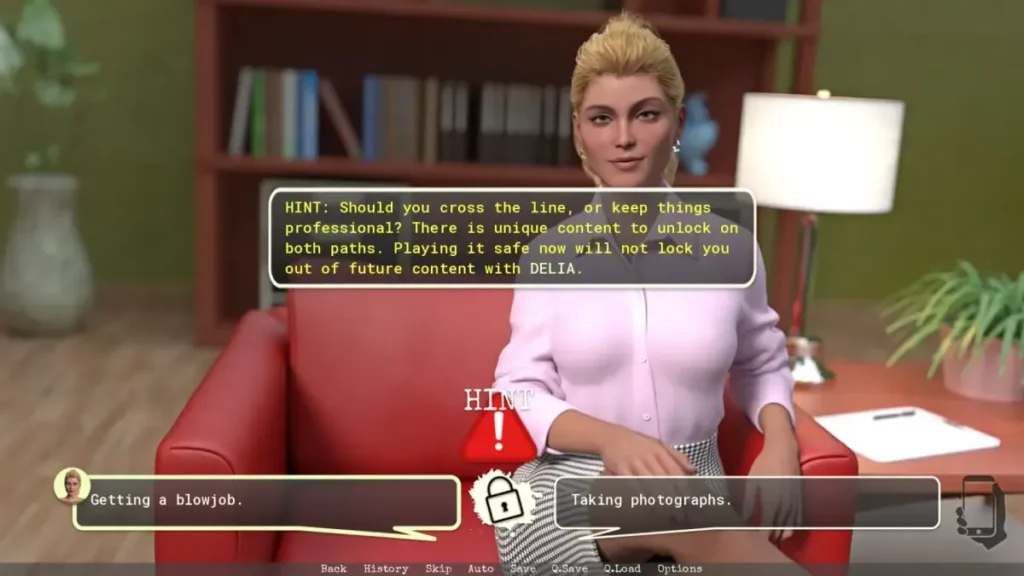
The game brilliantly uses a fourth-wall breaking narrator who often chimes in to comment on your choices. It’s like having a snarky friend looking over your shoulder, saying, “Really? You’re going to pick that?” This isn’t just for laughs (though it is very funny); it’s a clever guide. It highlights the weight of seemingly simple options, making you pause and think, “Wait, what is this choice really saying about my character?”
I learned this the hard way. Early on, I met the sharp-witted vampire, Val. During a tense conversation, I was given two options: one was cautiously respectful, the other was a playful challenge. Thinking I’d be clever and confident, I chose the challenge. The narrator quipped, “Ah, opting for the ‘get on her bad side immediately’ approach. Bold.” 😬 Let’s just say the rest of that encounter was… icy. That single choice altered her demeanor toward me for the next several scenes.
This is the essence of the system:
* Choices build relationships: Every interaction with the cast—from the stoic werewolf to the enigmatic fae—shifts your reputation with them. These aren’t just visible meters (though some consequences are clear), but hidden flags that determine who trusts you, who confides in you, and who might, well, see you as a snack.
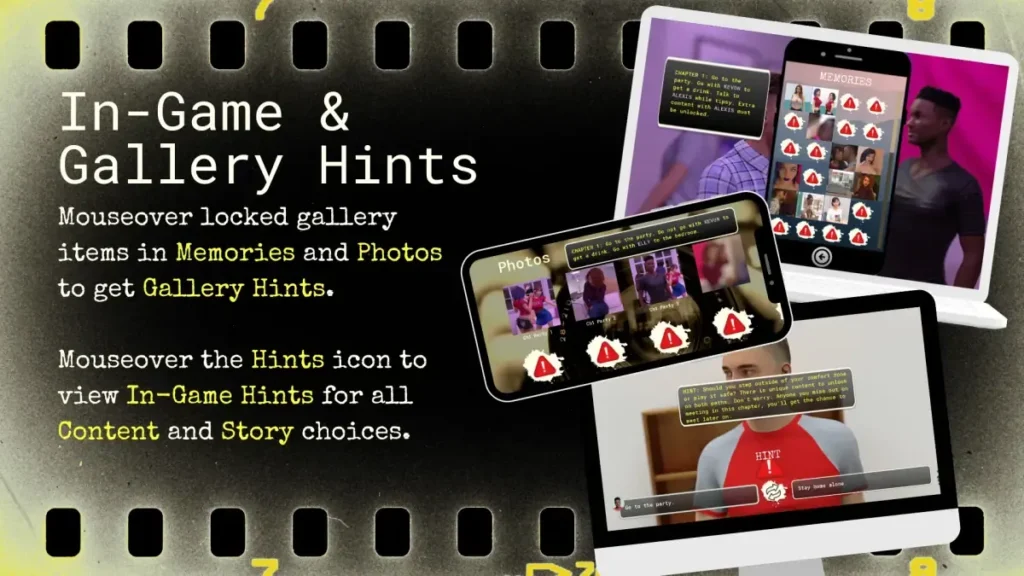
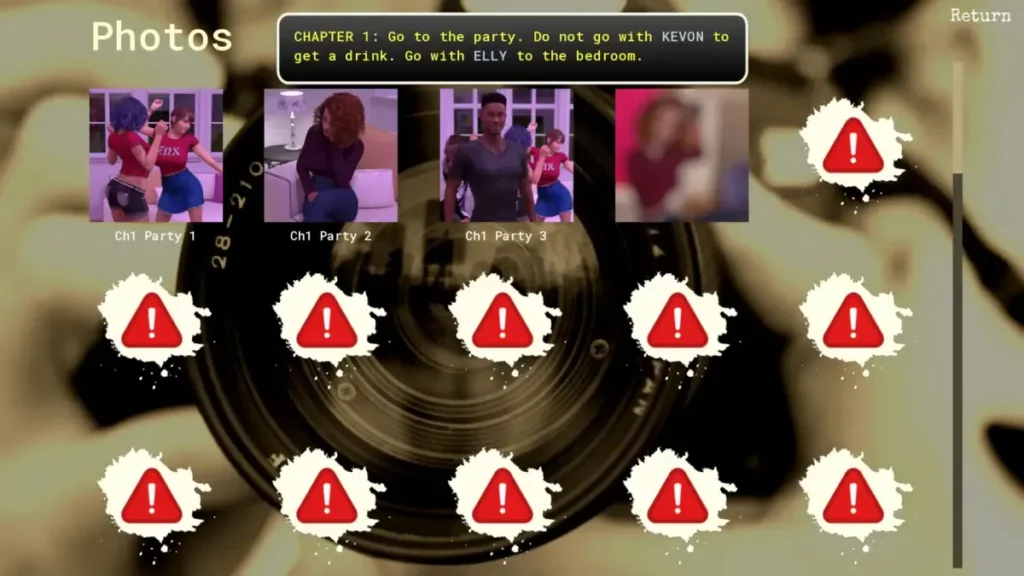
* The Photography Mechanic: This is a unique and vital gameplay mechanic. Your protagonist is a photographer, and you’ll get chances to take pictures. These aren’t just collectibles! Deciding who to photograph, when, and how can open up special dialogues, reveal hidden aspects of a character, or even become pivotal story items later. I missed a crucial shot of a moonlit scene once and locked myself out of an entire tender conversation branch with a character.
To give you scope, the demo alone boasts over 36,000 words, 24 scenes, 28 animations, and 39 songs. This density means every playthrough is packed with content, and your choices actively navigate this vast web of narrative possibility.
Key Gameplay Features & Mechanics Overview:
* Dialogue-Driven Progression: The story moves forward entirely through your selections.
* Hidden Relationship Flags: Choices subtly change how characters perceive and interact with you.
* The Photographer’s Eye: Active photography sessions that influence the plot and relationships.
* Narrator Guidance: A humorous, fourth-wall-breaking voice that contextualizes your decisions.
* Save-Scumming Encouraged: The game’s design invites you to save often and explore every “What if?”
Pro Tip: Save your game before every major choice or photography session! Label your saves clearly (e.g., “Before Val’s Challenge”) to create your own A Shot in the Dark walkthrough guide. It’s the best way to explore branching narrative paths without losing progress you love.
Achievement System and Unlocking Rewards 🏆
If the choices are the journey, then the A Shot in the Dark achievements are your personalized trophy case, documenting your unique path through the shadows. This isn’t a system of mundane “click here” tasks; it’s a clever meta-commentary on your playstyle and a reward for thorough exploration.
A Shot in the Dark achievements are often witty, sometimes cheeky, and always tied to specific narrative milestones or deliberate visual novel story choices. They celebrate everything from seeing a rare piece of dialogue to surviving a night with all your blood intact. Figuring out how to unlock achievements became a game in itself for me.
For instance, I was proudly (and nervously) pursuing a romance path with a certain character. After a series of carefully chosen tender moments, an achievement popped: “Heart in the Right Place.” It felt like a genuine reward for my role-playing effort. Conversely, on a more reckless playthrough where I deliberately antagonized everyone, I earned “Agent of Chaos.” The game was acknowledging and celebrating my destructive spree!
Here’s a breakdown of common achievement types you’ll encounter:
| Achievement Type | What It Rewards | Example (Hypothetical) |
|---|---|---|
| Story Milestones | Progressing down a specific character’s path or reaching key plot points. | “Wolf’s Trust” – For earning the loyalty of the werewolf character. |
| Choice Consequences | Making a specific, often difficult or unique, story decision. | “Mercy or Brutality” – For choosing a pacifist solution in a violent confrontation. |
| Completionist | Seeing all variations of a scene, collecting all photos, or hearing all dialogue options. | “Lens Master” – For successfully taking every possible special photograph in the demo. |
| Hidden & Easter Eggs | Discovering secret interactions or triggering rare, non-standard game events. | “Fourth-Wall Breaker” – For responding to the narrator in a specific way multiple times. |
How to Approach Achievement Hunting:
1. Embrace Role-Playing: On your first run, play naturally. Let your instincts guide your visual novel story choices. You’ll unlock achievements that reflect your story.
2. Targeted Replays: Use multiple save files to go back and make the opposite choice. Want an achievement for a rude outcome? Save before a polite option, then reload and be rude!
3. The Photography Focus: Many hidden A Shot in the Dark achievements are tied to the camera. Experiment. Take pictures of objects, of characters when they’re not posing, and of seemingly unimportant scenes.
FAQ: Common Questions About Choice Consequences and Achievement Unlocking
- Q: If I make a “bad” choice, will I permanently miss an achievement?
- A: Almost never! The game is designed for replay. You can always load a save or start a new playthrough to make different choices. Missing a photo op or dialogue branch one time just gives you a goal for next time.
- Q: Are achievements just for bragging rights, or do they give in-game benefits?
- A: Primarily, they are milestones of your journey. However, the act of pursuing them forces you to explore the game’s depth, which is its own reward. You might see scenes and character facets you’d never find otherwise.
- Q: What’s the best way to track which achievements I’m close to getting?
- A: Pay close attention to achievement names when they pop. They often hint at the action you took. For hidden ones, note when you get unique dialogue or scene transitions—these are often triggers. Community guides (your own personal A Shot in the Dark walkthrough guide) can help for truly obscure ones.
Navigating Multiple Story Paths 🧭
This is where A Shot in the Dark truly shines: its intricate web of branching narrative paths. Think of the story not as a straight line, but as a growing tree. Every major visual novel story choice is a fork in the branch, leading to new scenes, different character interactions, and ultimately, distinct endings.
My first playthrough was my “true” run—I followed my gut. I was kind to some, skeptical of others, and ended up in a tense alliance with two characters while a third viewed me with deep suspicion. When I finished, I was shocked to compare notes with a friend. They had experienced completely different events! A scene I found frightening was, for them, a moment of romance. A character I barely met was a central figure in their story.
This is the power of branching narrative paths. The demo’s significant content allows these branches to feel substantial and meaningful, not just cosmetic changes.
The Pathways of Play: A Practical Guide
To experience the full scope, you need a strategy. Here’s how I approached my multiple playthroughs:
- The Loyalist Path: Pick one main character and make every choice to align with their goals and worldview. This deepens your bond and unlocks their most personal scenes. This is the best way to see a character’s full arc.
- The Diplomat Path: Try to keep everyone moderately happy. This is often the hardest path, as characters’ desires conflict! It leads to a unique, balanced story outcome where you learn a lot about the group dynamics.
- The Chaos Path (My Personal Favorite 😈): Make the messiest, most dramatic choices. Lie, provoke, and play factions against each other. This path is fantastic for unlocking achievements related to failure, betrayal, and dark humor. It reveals how the story holds up under pressure.
| Playthrough Style | Focus | Likely Outcome & Achievements |
|---|---|---|
| Loyalist | Maximizing affinity with one character. | Deep, character-specific ending. Unlocks romantic or close ally achievements for that character. |
| Diplomat | Balancing the needs and moods of the whole group. | A complex, politically nuanced ending. May unlock achievements for peacekeeping or successful mediation. |
| Chaos Agent | Choosing for maximum drama and narrative upheaval. | Explosive, often short-lived endings. Unlocks achievements for betrayal, stubbornness, and causing specific conflicts. |
Practical Advice for Your Journeys:
“Don’t think of a ‘failed’ playthrough as a waste of time. Think of it as collecting pieces of a puzzle. The ‘true’ story is the sum of all the paths.”
- Let Go of Completionism on Run One: Your virgin playthrough is sacred. Don’t save-scum to fix “mistakes.” Live with them. The most memorable stories often come from unintended consequences.
- Use a Spreadsheet or Notes: To track branching narrative paths, jot down big choices and their immediate effects. Note which character was present for which photo op. This homemade A Shot in the Dark walkthrough guide is invaluable.
- Explore the Edges: The most fascinating writing is often on the paths less traveled. What happens if you consistently fail the photography mini-games? What if you always pick the sarcastic option with the most serious character? The game rewards this curiosity.
Understanding A Shot in the Dark gameplay mechanics is understanding that you are the author. The choice-based visual novel gameplay framework is your pen, the branching narrative paths are your blank pages, and the A Shot in the Dark achievements are your chapter titles. It’s a game that respects your intelligence and rewards your curiosity, inviting you to step into the dark not once, but again and again, each time seeing something new. Now that you know how the machinery works, the only question left is: who will you become in the shadows?
A Shot in the Dark delivers a rich interactive experience through its sophisticated choice-based gameplay system and diverse character relationships. By understanding the mechanics of achievement unlocking, branching narratives, and character interactions, players can craft personalized playthroughs that maximize their engagement with the game’s extensive content. Whether you’re pursuing specific achievements, exploring different relationship paths, or simply enjoying the narrative journey, the game’s depth and replay value offer something for every player. Take time to experiment with different choices, explore all available dialogue options, and engage with each character’s unique storyline to fully appreciate what this visual novel has to offer.